Hydro Excavation: Trailer Hydrovac and Vac Truck Work
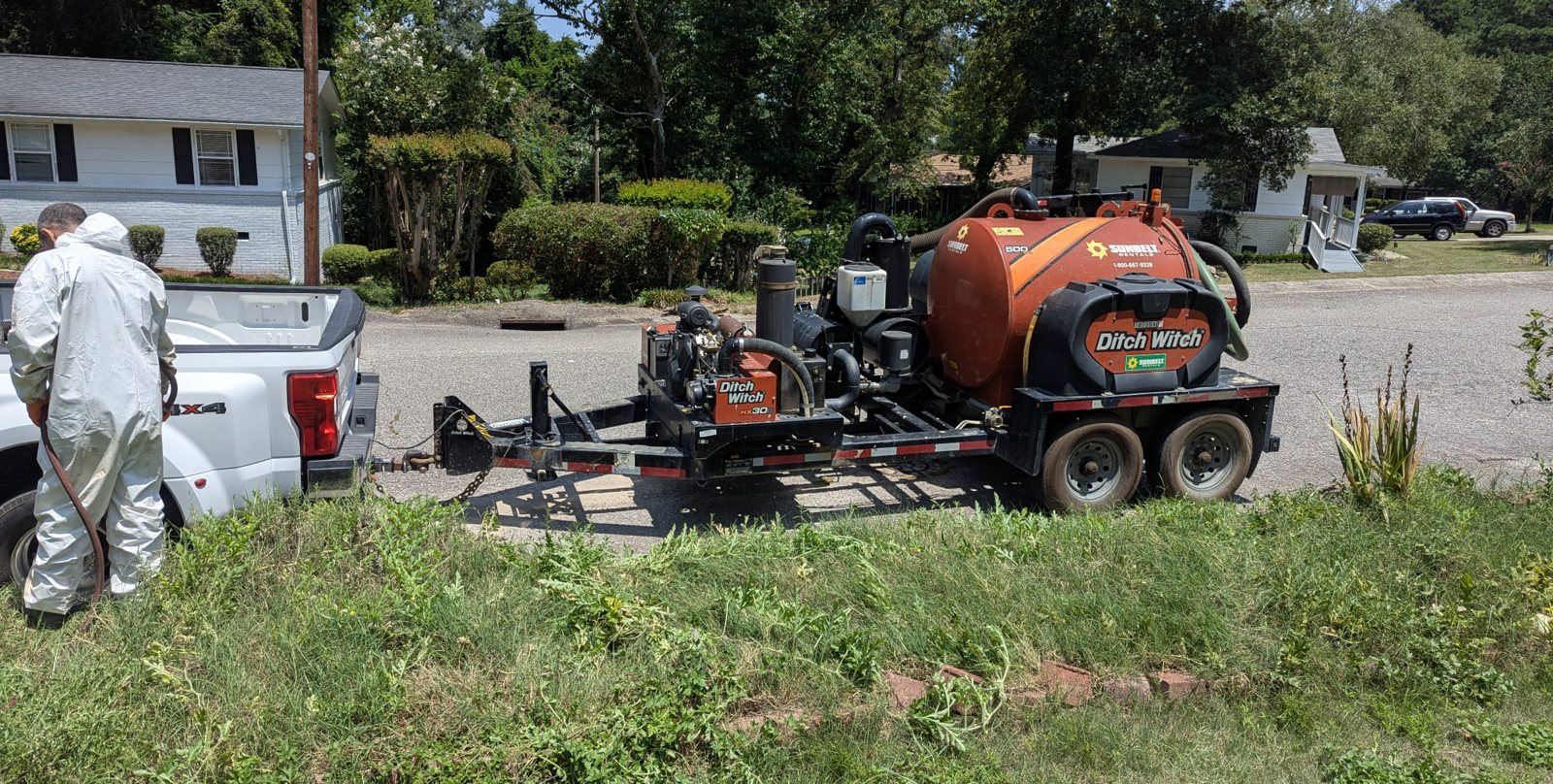
Clean Metro digs with pressurized water and a vacuum instead of a bucket. Our trailer-mounted hydrovac exposes buried lines, cuts slot trenches and post holes, and cleans out pits and sumps without a backhoe tooth anywhere near a gas line or fiber.
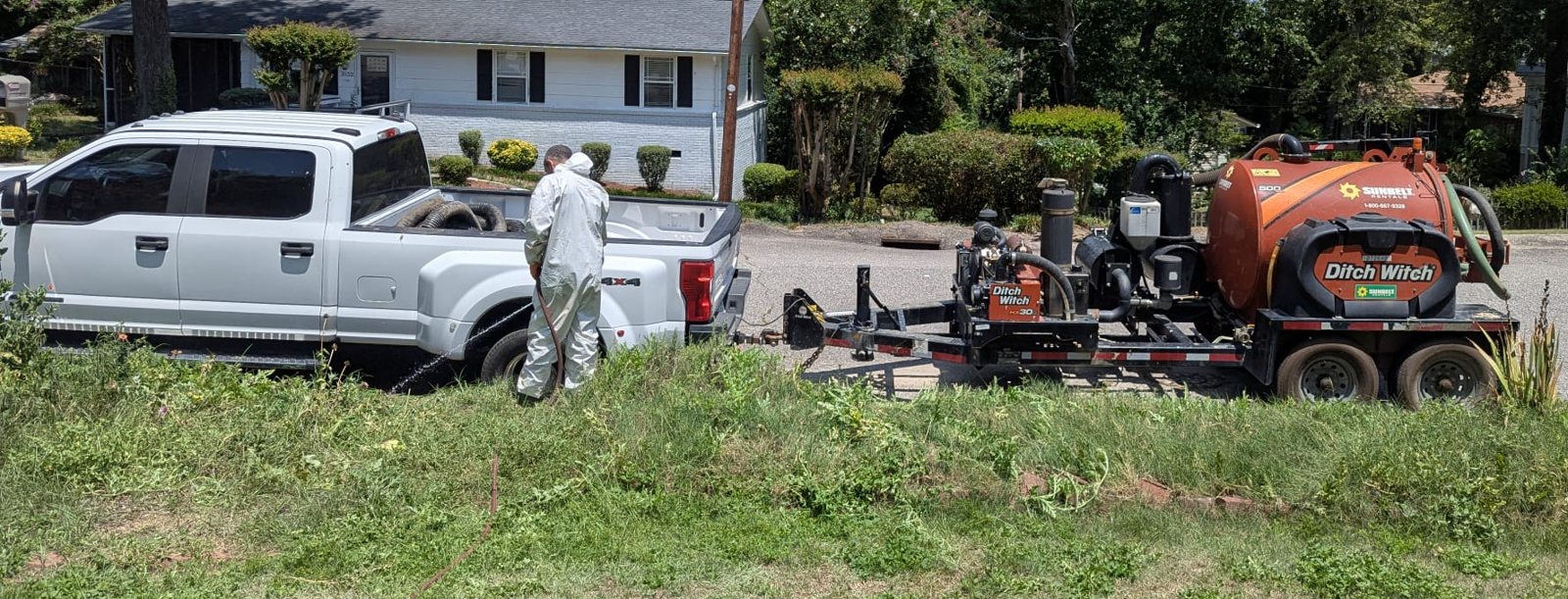
A trailer unit fits where a hydrovac truck can't: inside plants, behind buildings, between equipment, and on finished grass and paving. For big digs and heavy spoils volume, we bring in a partner's truck-mounted vacuum rig and run the job start to finish.
What we dig
- Utility daylighting and potholing: expose gas, water, electric, and fiber lines before anyone digs
- Slot trenching for new lines and conduit
- Post, pole, and footing holes
- Pit, sump, trench drain, and basin cleanout
- Sewage and gray-water contaminated soil removal
- Heavy spoils and debris removal with a partner truck-mounted vac rig
- Digging around roots, foundations, and live utilities where a machine can't go
How we do it
Every dig starts with an 811 locate ticket and the marks on the ground. Water at controlled pressure breaks up the soil and the vacuum pulls it into the trailer's debris tank, so the hole stays clean and you see the line itself before anything touches it. Clean spoils go back in the hole or to a spot you pick. Contaminated soil and sewage stay contained in the tank and go out for disposal under your site's rules. Under a building, it is part of our sewage and water damage cleanup.
Who calls us
General and site contractors, plant maintenance and engineering teams, utility and fiber contractors who need a few crossings verified, and facility managers with a pit, sump, or sewage problem.
From the job
Questions we get
What is hydro excavation?
Hydro excavation, also called hydrovac, vacuum excavation, or non-destructive digging, is digging with pressurized water and a vacuum. The water loosens the soil and the vacuum lifts it into a debris tank. No bucket or blade touches the ground, which is why it is the standard way to expose buried utilities and dig close to them.
Trailer hydrovac or vac truck?
A trailer fits tight access, inside plants and on finished sites, and costs less to mobilize. It holds less, so it fits potholing, post holes, short slot trenches, and pit cleanouts. For long trenches and big spoils volume, our partner brings a truck-mounted vac rig and Clean Metro runs the job. We'll tell you which one your job needs before you hire us.
Do you call 811 before digging?
Yes. Every dig starts with an 811 locate request, and we dig to the marks. Hydro excavation is how you confirm a mark: it exposes the actual line so everyone can see it.
What happens to the dirt?
It goes into the trailer's debris tank. Clean spoils can go back in the hole or to a spot you pick on site. Contaminated soil and sewage stay contained and go out for disposal under your site's rules.
Can you clean out a pit or sump while the plant runs?
Often, yes. We coordinate lockout/tagout with plant maintenance and work the pit while the rest of the plant runs. If the pit can't be isolated, we schedule it into a shutdown.
Where do you work?
Plants, job sites, and commercial properties across South Carolina, North Carolina, Georgia, and Tennessee, out of West Columbia, SC.
Got a mess on the schedule?
Send us the scope, photos, or a walkthrough date. We'll tell you straight whether it's our kind of work.